
Automated Dispatch
Share your location. Start your request fast.

COMMERCIAL ROADSIDE DISPATCH · NATIONWIDE
Roadside dispatch for commercial tire service, jump starts, fuel delivery, and mobile mechanical help. Share your location and the service you need.
Your location is secure and only used for this request.
Share your location. Start your request fast.
Commercial providers matched to the service you need.
Follow your request by text and on your secure status page.
Call or message TRS Dispatch when you need help.
Roadside help for common commercial vehicle problems
Request 24/7 roadside service for tire trouble, breakdowns, jump starts, fuel delivery, and more.
Flat, blown, damaged, or need replacement?
Having a mechanical issue on the road?
Battery trouble? We can help.
Out of fuel? We can help.
Tell us what happened.
Supported Vehicles
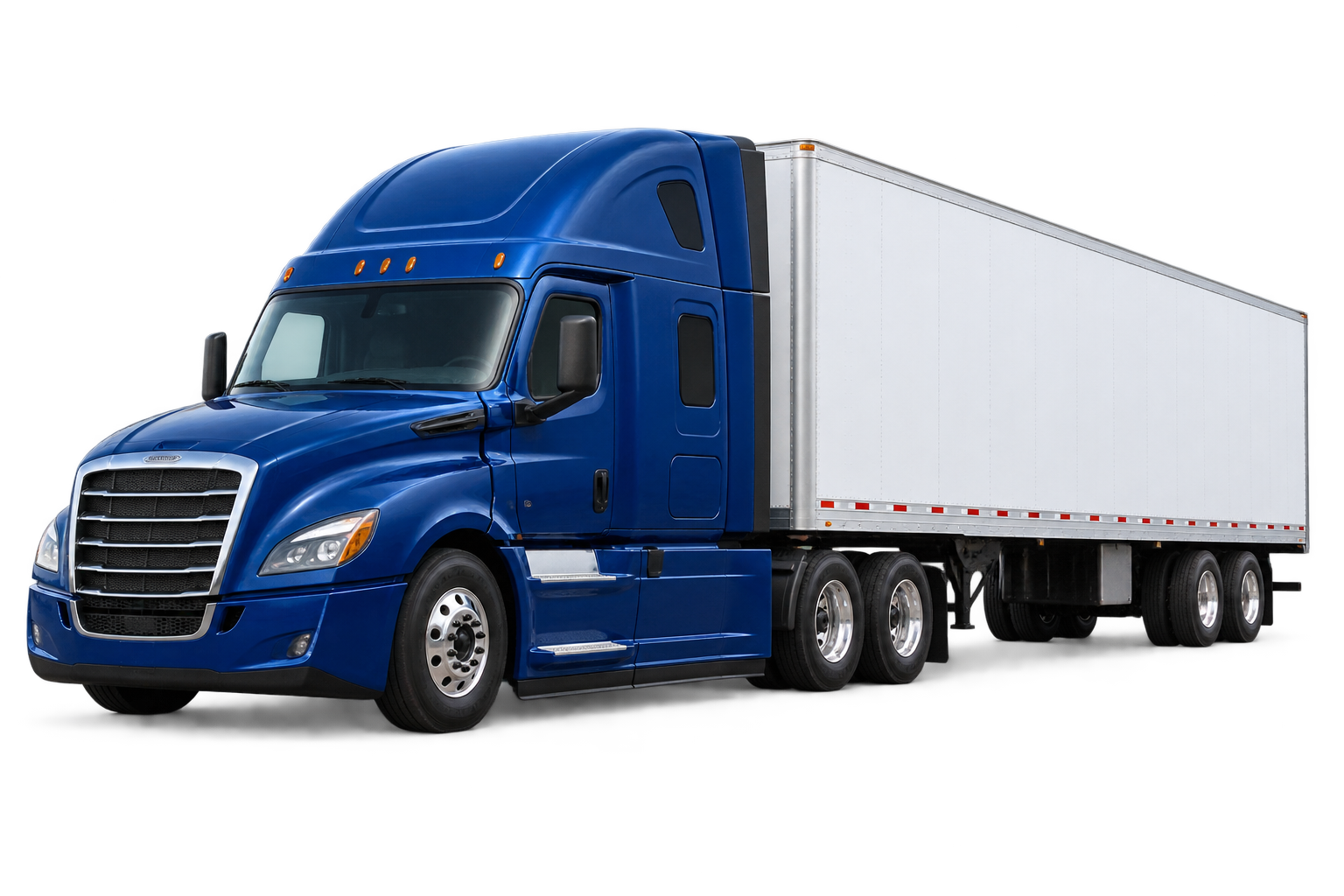
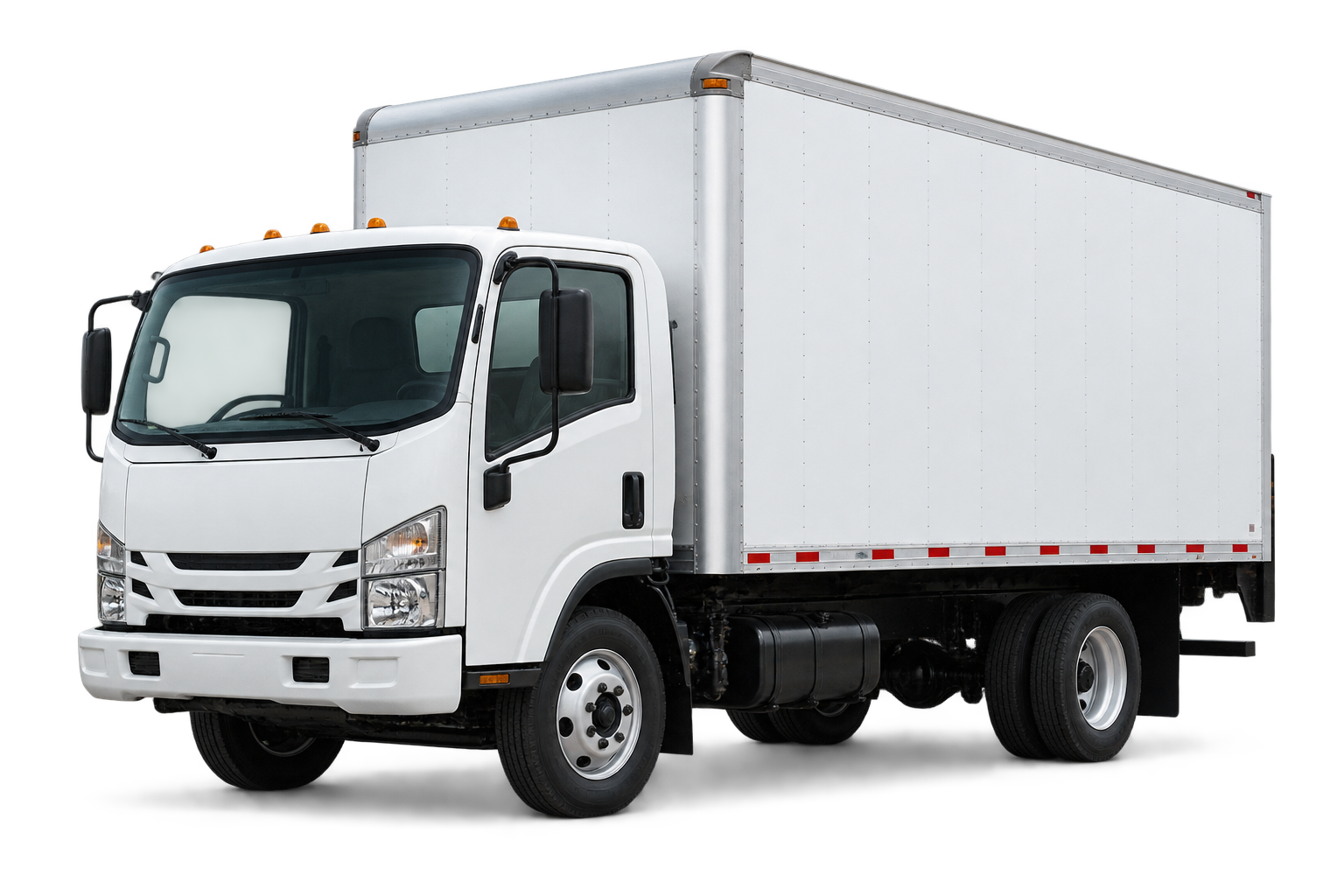
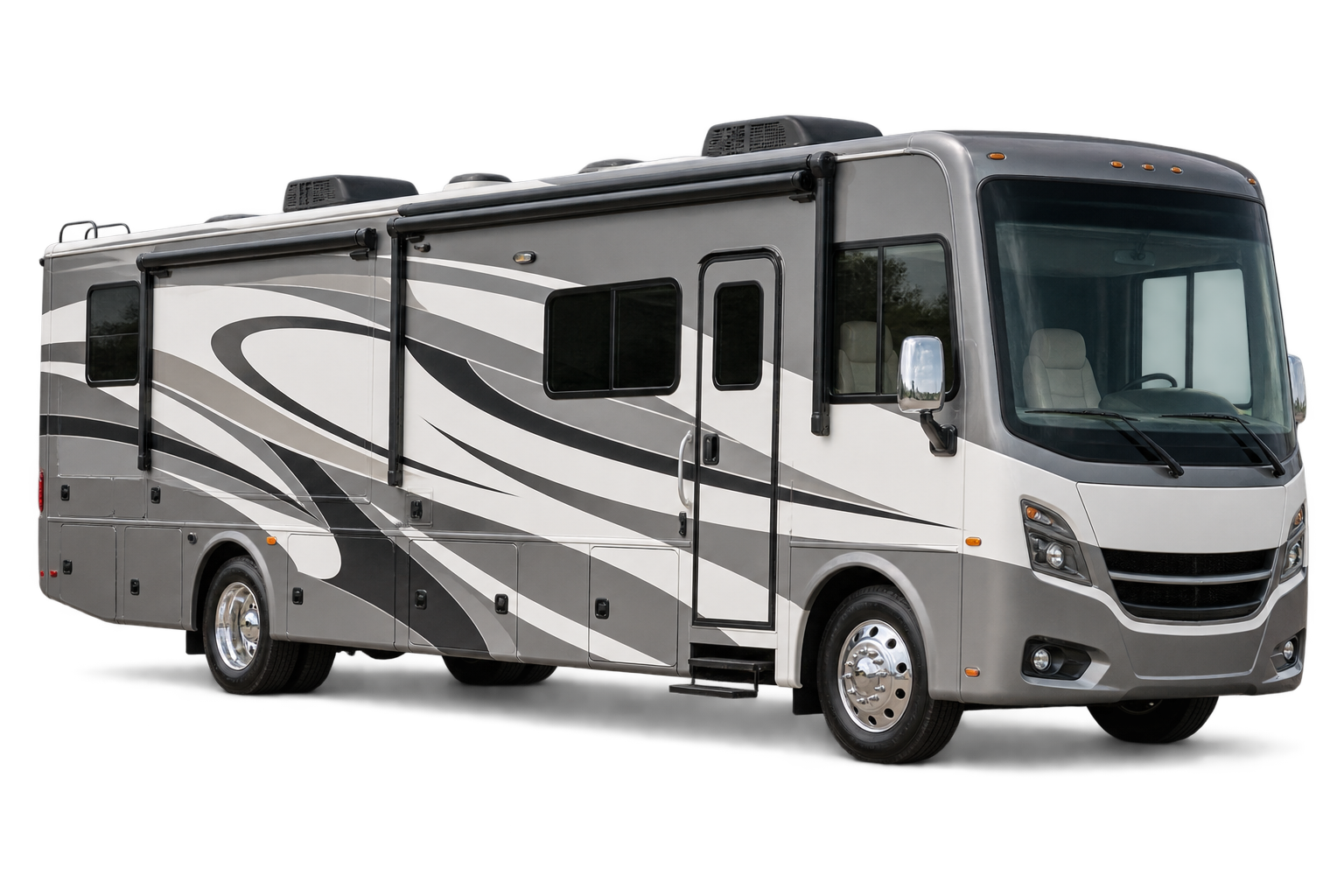
Roadside help for semis, buses, work trucks, RVs, and other qualifying heavy vehicles.


Used only for your service request.
Follow your request from your private status page.
Commercial roadside service across the United States.
Reviews are temporarily unavailable.
Commercial truck road service starts with knowing what assistance the vehicle needs and where it can be reached. TRS Dispatch accepts requests for commercial tire service, mobile mechanic and diesel help, jump starts, fuel delivery, and other supported roadside needs.
Commercial roadside assistance can be requested by a driver, an owner-operator, or a fleet contact coordinating from another location. Include the affected vehicle, the current location, and relevant site-access details. Provider capabilities, equipment, and availability determine what service can be arranged for that job.
Explore commercial truck road service, fuel delivery, jump starts, highway calls, and fleet coordination.
TRS Dispatch accepts requests for commercial tire assistance, mobile mechanical and diesel help, jump starts, fuel delivery, and other supported roadside needs. Describe the vehicle and problem rather than selecting a repair part. The service required determines which provider capabilities and equipment are relevant to the call.
Yes. TRS Dispatch offers 24/7 commercial road service for breakdown requests, including overnight and weekend calls. Share the vehicle's location and the issue so dispatch can check for appropriate help. Response times depend on the area, work required, and available providers.
Requests can involve semi trucks, tractor trailers, box trucks, work trucks, and other supported commercial or heavy vehicles. Include the vehicle type, engine information if known, and the reported issue. A provider needs those details to review whether its equipment and service capabilities fit.
The service location changes the access and working conditions. A highway call needs clear road and direction details; a yard call may need a gate, dock, or parking position. In either case, describe the vehicle and issue so the provider can assess the job and access requirements.
Yes. Include every known problem, such as a tire issue and a starting or mechanical concern. The full description helps dispatch review the capabilities needed. Different work can require different inventory or equipment, so leaving out a second issue may change what the provider can address.
Yes. State that diesel fuel is needed, identify the commercial vehicle, and share the location. Tell dispatch about any fuel requirement you are unsure of rather than guessing. The provider confirms the fuel and service arrangements for that vehicle and call.
Specify the required fuel type in the request and identify the vehicle. Commercial vehicles do not all use the same fuel. Dispatch needs the correct information to look for suitable delivery support, and the provider must confirm the fuel requirements before service is arranged.
Yes. Identify the vehicle and explain whether the engine cranks, clicks, or does not respond. Include known battery or electrical concerns. This helps the provider review the starting complaint and equipment needed; a jump start is not a diagnosis of every no-start problem.
Include vehicle details and any battery-system information you already know, along with the symptoms. Tell dispatch if the vehicle has a known starting or electrical problem. The provider reviews the appropriate equipment and assessment rather than assuming a passenger-car jump-start setup suits every commercial truck.
Tell dispatch that a jump start was attempted and describe what the vehicle does now. Include any warning messages or changed symptoms. The request may need mechanical or electrical assessment, so those observations help identify the service capabilities needed for the next step.
Share GPS information, the highway number, direction of travel, and nearest exit or mile marker if known. Add a landmark or description that helps identify the vehicle. Clear road and direction details help distinguish locations that can look close on a map but have different access.
Yes. Include the facility name, truck position, and gate or entrance instructions. Mention access restrictions or limited space around the vehicle. These details let the provider review whether its service vehicle and equipment can reach the job and perform the requested work.
Yes. Provide the vehicle's location, unit details, and observations from the person with it. Identify the on-site contact and who can approve the work. This supports coordination when the person arranging service is managing the breakdown from an office or another location.
Distance, traffic, access, current workload, and required parts or tires can change the estimate. A more detailed problem description may also reveal that different equipment is needed. Confirm the current estimate when service is arranged and provide updates if the vehicle's position or reported issue changes.
START A SECURE REQUEST
Share your GPS location so we know exactly where you are.
Your location is secure and only used for this request.