
Automated Dispatch
Share your location. Start your request fast.

24/7 MOBILE REPAIR DISPATCH
Mobile Diesel Mechanic
Request on-site help for a no-start, overheating, electrical, or other mechanical problem. Tell us where the truck is and what happened.
Your location is secure and only used for this request.
Share your location. Start your request fast.
Commercial providers matched to the service you need.
Follow your request by text and on your secure status page.
Call or message TRS Dispatch when you need help.
Won’t start, overheating, or having another issue?
Request 24/7 mobile truck repair for supported commercial and heavy vehicles.
Describe the starting or electrical symptoms.
Engine, drivetrain, or other mechanical concerns.
Cooling issues or temperature warnings.
Tell us which trailer system is affected.
Explain the problem in your own words.
Supported Vehicles
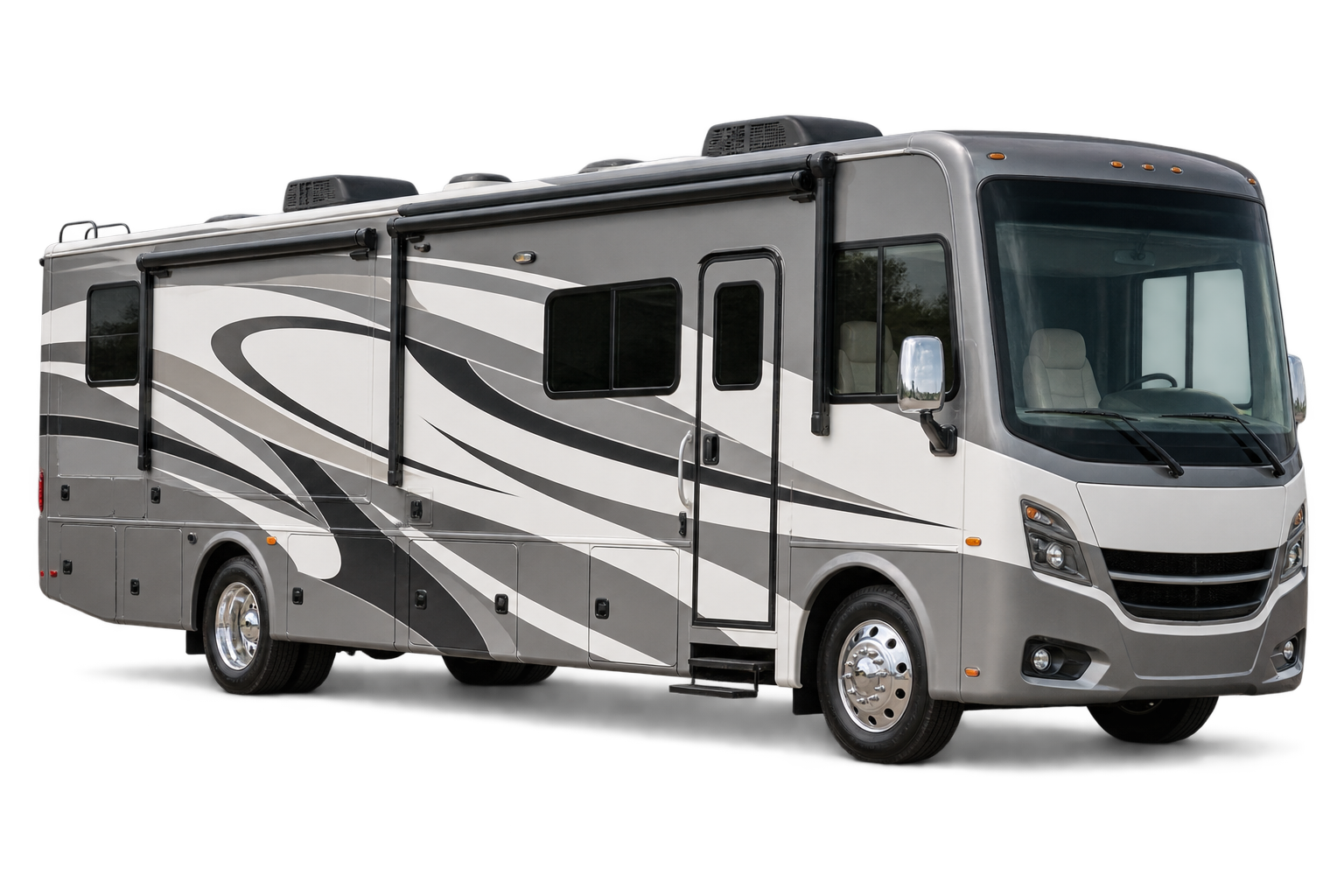
Roadside help for semis, buses, work trucks, RVs, and other qualifying heavy vehicles.




Used only for your service request.
Follow your request from your private status page.
Commercial roadside service across the United States.
Reviews are temporarily unavailable.
Request mobile truck repair for a no-start problem, overheating, an electrical concern, or another reported mechanical issue. Describe what the truck is doing, when the problem began, and whether the tractor or trailer is affected. You can explain the symptoms without choosing a replacement part or diagnosing the fault yourself.
A mobile diesel mechanic or commercial repair provider needs to assess the vehicle before confirming the diagnosis and appropriate work. On-site repair depends on the issue, access, available parts, and the provider's equipment. Include the truck details and current location so the request reflects the actual job.
Explore 24/7 mobile truck repair, diesel mechanics, reported symptoms, and arranging on-site service.
Yes. TRS Dispatch offers 24/7 mobile truck repair for commercial vehicles. Tell us where the truck is and describe the mechanical problem. Dispatch looks for a provider with the capabilities needed for that vehicle and issue, whether the breakdown happens during the workday, overnight, or on a weekend.
Share your location and request mobile diesel mechanic help through TRS Dispatch. Include the truck's make and model if known, the symptoms, and any warning messages. This gives dispatch a clearer picture of the job than a general request for a mechanic without vehicle or breakdown details.
Mobile truck repair describes mechanical service that comes to the vehicle. A mobile diesel mechanic describes the technician or provider supporting a diesel-powered vehicle. The terms often overlap, but the work can involve different systems, tools, and skills. Describe the actual problem so the request can be matched appropriately.
Requests can involve semi trucks, tractor trailers, box trucks, work trucks, and other supported commercial vehicles. Include the vehicle class and engine type if known. A provider's ability to handle a particular make, chassis, system, or repair must be reviewed for the job.
Describe whether the engine cranks, clicks, or does not respond. Include any warning messages, the vehicle details, and what happened before the starting problem. Tell dispatch about a suspected battery issue as an observation; the mechanic's assessment is needed to determine the actual cause.
A no-start complaint does not identify the cause by itself. A jump-start request and a mobile mechanic request may need different equipment or assessment. Tell dispatch exactly what the truck does when you try to start it, along with any known battery or electrical concerns.
Yes. Share the warning text or code exactly as you already have it, along with the symptoms and vehicle information. A warning or code helps describe the reported problem, but it does not replace diagnosis. Include when the warning appeared and whether the truck's behavior changed.
You can request a mobile mechanic for an overheating problem. Include the truck details, the temperature warning or indication, when the issue began, and any visible fluid loss you have already observed. The provider assesses the cooling concern and explains the repair options appropriate to the vehicle and location.
Describe the loss of power, unusual running behavior, or other symptoms, and include any warning messages. Identify the truck and engine if known. Dispatch can use those details to look for relevant diesel or commercial mechanical capabilities; the cause and repair scope require a provider's assessment.
Tell dispatch what you have observed, including the warning message, pressure indication, or reported air-system symptom. Identify whether the concern is on the tractor or trailer. Do not choose a replacement component based only on a symptom; the provider needs to assess the system and the work required.
Include the vehicle details and describe the behavior, such as difficulty moving or a transmission warning, without guessing at the failed part. Drivetrain jobs can vary widely in equipment and repair requirements. Dispatch needs the reported issue so a provider can review whether mobile service is appropriate.
Yes. Identify the trailer type and explain which system or symptom is involved. State clearly that the issue is on the trailer rather than the tractor. Trailer access, configuration, parts, and service equipment can differ from a truck engine repair, so those details help with provider matching.
No. On-site repair depends on the fault, safe access, parts, tools, and the work required. A mobile mechanic assesses the vehicle and explains what can be completed at the location. Some repairs require facilities or equipment beyond what a mobile service vehicle can provide.
Parts and inventory vary by provider, vehicle, and job. Include the truck's identifying information and any known part details when requesting help, but let the mechanic confirm the diagnosis and correct part. Availability should be checked as the proposed repair is arranged.
Yes. Include the truck's location, unit details, and the driver's observations. Tell dispatch who can answer questions at the vehicle and who approves the work. Clear contacts help the provider review the issue and proposed repair without relying on incomplete information relayed between several people.
Update dispatch with the new symptoms, warning messages, or location. Keep the same job information available so the update can be related to the request. A change in the reported problem can affect the provider capabilities, equipment, or parts needed for the call.
START A SECURE REQUEST
Share your GPS location so we know exactly where you are.
Your location is secure and only used for this request.